

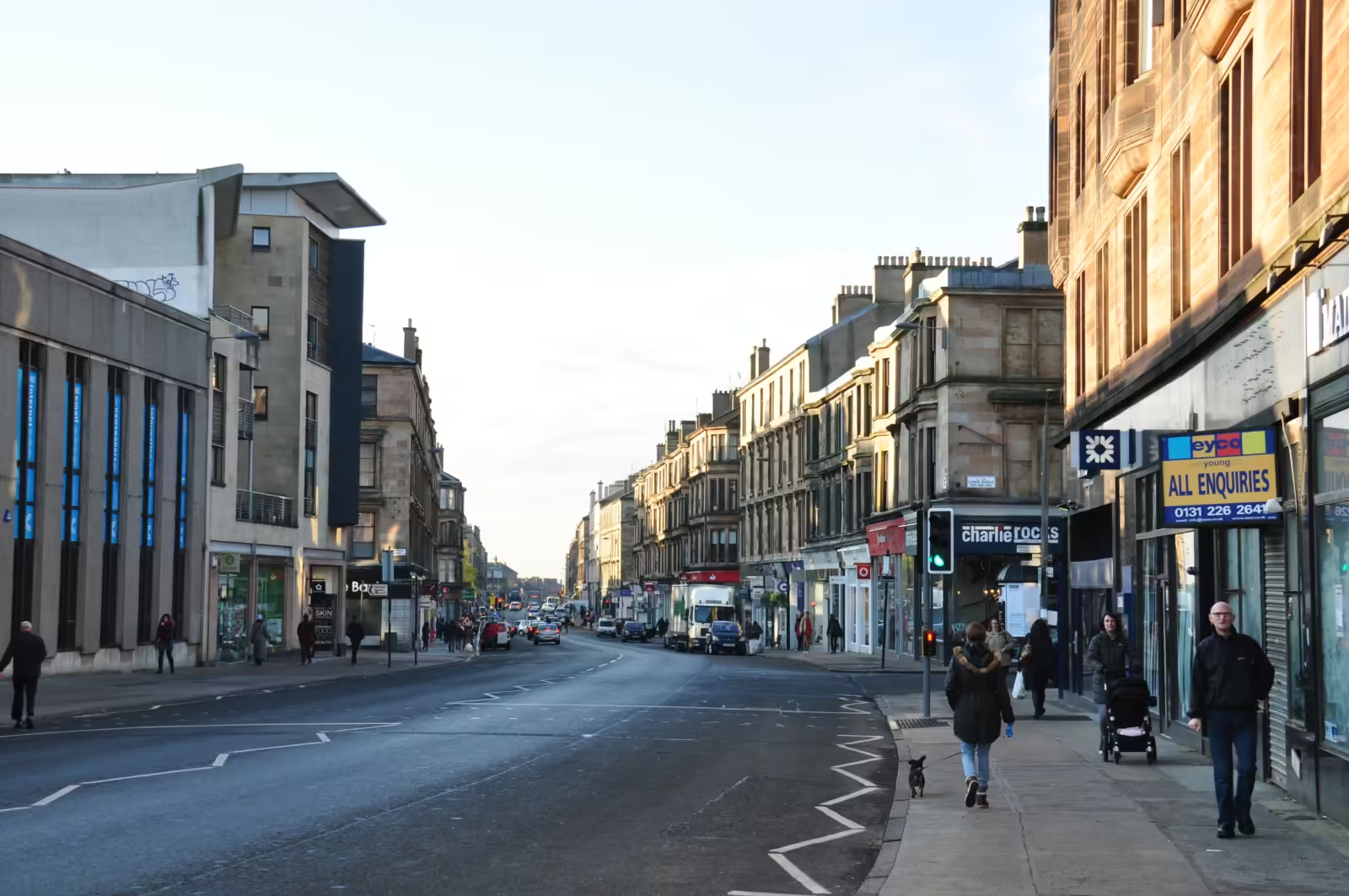
Partick is a busy, mixed area on the north bank of the Clyde, in the west of Glasgow, Scotland. It’s usually counted as part of the West End, just the cheaper and less polished end of it. It’s a good place to live if you want trains, the Subway and buses in one spot, with a main street full of pubs and restaurants. Weekend nights get lively, and police figures put recorded crime in the ward that covers the centre of Partick level with the Scottish average and well below Glasgow’s. A one-bed in the G11 postcode averaged £913 a month between April and June 2026.
Last checked: 25 October 2026.
Is Partick in the West End?
Pretty much, yes, though nobody has drawn an official line. The West End isn’t an official area, so the boundary moves depending on who you ask, and Partick is usually where the argument starts. It sits at the bottom end, down by the river. Byres Road, the West End’s main street, starts at Partick Cross, and Celino’s and Bag O’Nails, both on Dumbarton Road, are happy to call themselves West End on their own websites.
The real difference is money. Rents in G11 run lower than in G12 (Hillhead and part of Hyndland) and a little lower than in G3 (Finnieston and Kelvingrove), and you still get Byres Road, Kelvingrove Park and the Subway close by. Our guides to Hillhead and the West End and Hyndland show what you get for the extra rent.

Where Is Partick? Postcode and Boundaries
Partick sits on the north bank of the Clyde, west of the city centre, where the River Kelvin meets the Clyde. Dumbarton Road is the main street and runs right through the middle of it.
There’s no sign saying where it stops, but the Scottish Government’s statistics use three areas with Partick in the name, and they’re a fair guide. One is just called Partick. Up the hill to the north is Partickhill and Hyndland. Down towards the river is Glasgow Harbour and Partick South.
Most of Partick is in the G11 postcode. Dumbarton Road addresses in Partick start G11 6, and streets like Hyndland Street and Burgh Hall Street start G11 5. G11 also takes in a few streets round about, like the Thornwood and Crow Road side.
If you came looking for the football, Partick Thistle’s ground, Firhill, isn’t in Partick. It’s in Maryhill, and the club says it’s within 15 minutes’ walk of the Kelvinbridge and St George’s Cross Subway stations, so you’d take the Subway from Partick.
What’s Partick Like?
Partick is a real area, not a polished postcode. It’s a proper working-class area that’s been slowly gentrifying for years, so the old chip shops now sit next to cocktail bars. Some folk love that, others think it’s lost the plot, and both are probably right.
The people here are a genuine mix. Long-term residents who’ve been in Partick all their lives live alongside students, young professionals and families. It’s not as polished as Hillhead or as trendy as Finnieston, and it feels more lived-in than the trendier bits of the West End. The pubs still show the football on a Saturday, and there are a few curry houses and takeaways along Dumbarton Road.
Partick by day
Dumbarton Road is busy from first thing, with commuters heading for the station, students and folk doing the shopping. The University of Glasgow says its main campus is about a 15 minute walk from Partick station. There’s a Morrisons beside the station, a Lidl on Beith Street, a Sainsbury’s on Crow Road and an M&S Simply Food at the West End Retail Park.
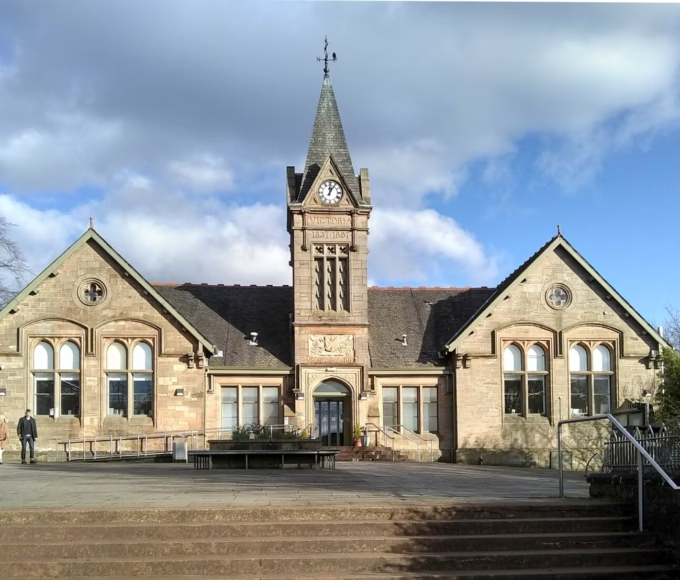
Partick Library on Dumbarton Road is free to use, with public computers and a study space, and it’s open until 8pm on Tuesdays and Thursdays.
Partick by night
Evenings are all about the pubs and restaurants on Dumbarton Road. Bag O’Nails says it’s open until 1am every night, and West Side Tavern stays open until midnight from Wednesday to Sunday. Weekend nights get noisy when the pubs empty, which comes with any busy area. The side streets off the main road are mostly residential and quiet.
Rent and House Prices in Partick
Partick isn’t cheap, but it’s still a bit cheaper than the dearer bits of the West End. Citylets, which tracks Scottish rents, puts the average one-bed in G11 at £913 a month and a two-bed at £1,305 for April to June 2026. That’s almost bang on the Glasgow average for a one-bed (£912) and a bit above it for a two-bed (£1,211). Here’s how it compares with the neighbours.
| Postcode | 1-bed | 2-bed | 3-bed |
|---|---|---|---|
| G11 (Partick) | £913 | £1,305 | £1,906 |
| G12 (Hillhead, part of Hyndland) | £1,005 | £1,446 | £2,125 |
| G3 (Finnieston, Kelvingrove) | £965 | £1,321 | £1,926 |
| Glasgow overall | £912 | £1,211 | £1,840 |
Average monthly rent, April to June 2026. Source: Citylets.
These are averages for the whole G11 postcode, so a modern flat can cost well over them and an older one can come in under. They also move around from year to year: in April to June 2025 a one-bed in G11 averaged £939 and a two-bed £1,290. A one-bed in G11 took about 27 days to let on average in April to June, so decent flats don’t hang around. Our guide to renting in Glasgow covers deposits, your rights and what to watch for.
Buying is still possible without selling a kidney. The Scottish Government’s house sales data, which comes from Registers of Scotland, stops at 2023 and isn’t being updated any more. That year, 92 homes sold in the area the Scottish Government calls Partick, and half of them went for less than £188,500. The middle half sold for between £145,000 and £239,000.
Glasgow as a whole had a median of £173,000 that year, so Partick sits a little above the city. Down towards the river, in Glasgow Harbour and Partick South, the median was £180,000. Up the hill in Partickhill and Hyndland it was £337,500, which is a different price bracket altogether. Prices have kept creeping up: the Scottish Government’s housing market review has Glasgow’s average house price at about £186,000 for the first three months of 2026, up 2.5% on a year earlier. Older flats that need work tend to be the cheapest, if you don’t mind a project.
Where to Eat and Drink in Partick
Dumbarton Road is the main street for food and drink in Partick. It doesn’t get the press Finnieston does, but there’s plenty here that’s good.
- The Duck Club (27 Hyndland Street), also known as Partick Duck Club, is the standout. It does all-day breakfast, brunch, lunch and dinner from 9am, and it’s closed on Tuesdays. The duck leg with duck fat fries is £26.95, the hoisin duck bun is £15.50 and mains mostly run from about £15 to £27. It has held an AA rosette every year since 2022, and you can book online.
- Celino’s (235 Dumbarton Road) is an Italian cafe, deli and restaurant that opened in August 2017. The deli counter is nine metres long, with cured meats, cheeses, fresh pasta, bread and Sicilian pastries. It opens at 8.30am Monday to Saturday and 10am on Sundays. It’s the kind of place where you pop in for bread and leave with three bags of shopping.
- Bag O’Nails (165 Dumbarton Road) is a proper pub. There’s live music every week, with an open stage on Thursdays, plus food from 11am and a Sunday roast menu. It’s not fancy. It is fun.
- West Side Tavern (162 Dumbarton Road) is a New York-style diner and dive bar. It opens at 5pm Monday to Thursday and at noon from Friday to Sunday. It’s a relaxed spot that suits the area.
The food here is less Instagram and more actually good, which is a compliment.
Transport: Partick Station, Subway and Buses
Getting around is the best thing about Partick. Partick Interchange, on Merkland Street, puts the train station, the Subway and a six-stance bus station in one spot.
Trains
Partick station is on the Argyle Line and the North Clyde Line. That means direct trains out to Hyndland, Dalmuir, Dumbarton, Balloch, Helensburgh Central and Milngavie, and the other way through Glasgow Central and Queen Street (both low level) to places like Motherwell and Edinburgh. It’s a short hop into the centre.
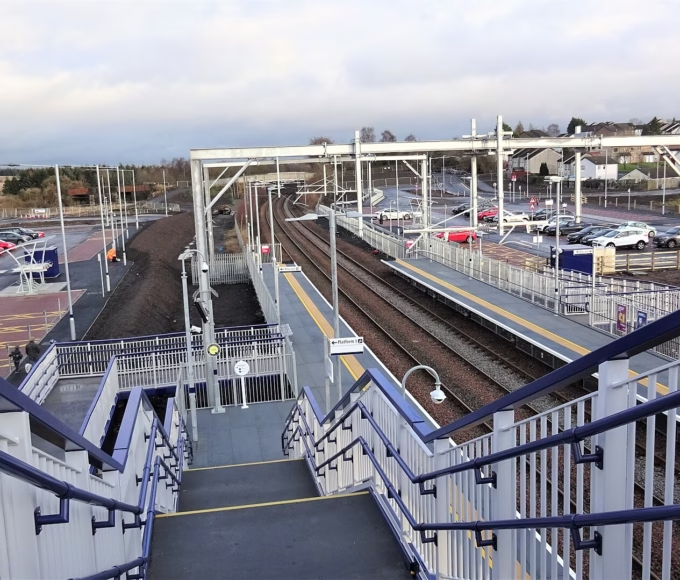
The station has lifts and step-free access to every platform, toilets, ticket machines and a ticket office. It has no car park.
Subway
Partick Subway station is in the same building, at 15 Merkland Street, with one platform for the Inner circle and one for the Outer. On the Outer circle, Kelvinhall (for Kelvingrove) is one stop, Hillhead (for Byres Road and the university) is two and Buchanan Street is six. Go the other way and Govan is one stop. A full lap of the fifteen stations takes 24 minutes.
An adult single is £1.80 with a Smartcard or by contactless, or £1.85 for a paper ticket, and SPT’s Subway tickets page has the current prices. You can tap in with a contactless card or phone, and if you use the same one every time you’ll never pay more than £3.40 in a day. Our Glasgow Subway guide has the full details on routes and fares.
Buses, walking and cycling
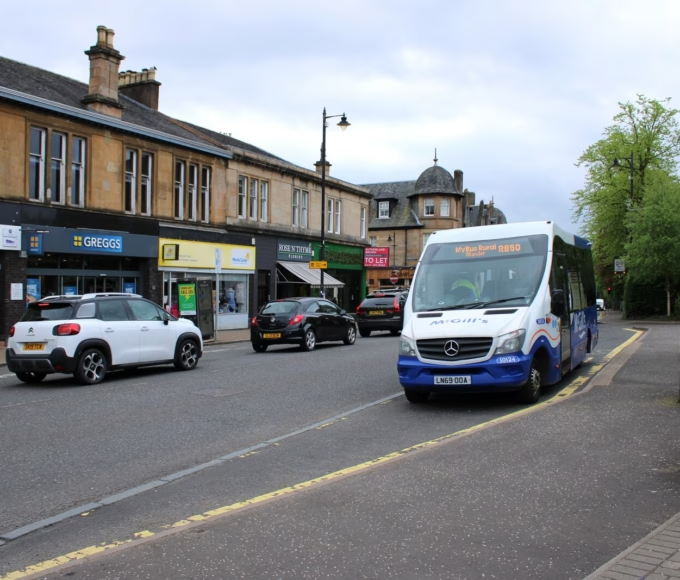
Partick bus station is just off Dumbarton Road, beside the train and Subway station, and the stances are open 24 hours. SPT said in 2019 that up to 42 westbound buses an hour pass through at peak times. There’s also a 24-hour taxi rank on Merkland Street.
Walking into the city centre is a long one, so most folk take the train or the Subway. Honestly, you don’t need a car in Partick. SPT says the interchange connects with the national cycle network and local footpaths.
The Govan Partick Bridge, which opened in September 2024, lets walkers and cyclists cross the Clyde beside the Riverside Museum. It’s part of a route between the University of Glasgow and the Queen Elizabeth University Hospital.
Things to Do
Kelvingrove Park is a short walk east, and it’s the big green space for the whole West End. There’s a Glasgow Life lawn bowls and tennis centre at the southern end, plus a bandstand and amphitheatre that holds over 2,000 people for concerts and events. Kelvingrove Art Gallery and Museum sits beside it, with free entry, and Kelvinhall is the nearest Subway station. If you’ve somehow never been, fix that.
The Riverside Museum is where the Kelvin meets the Clyde, about 0.6 miles from Partick Interchange, and entry is free.
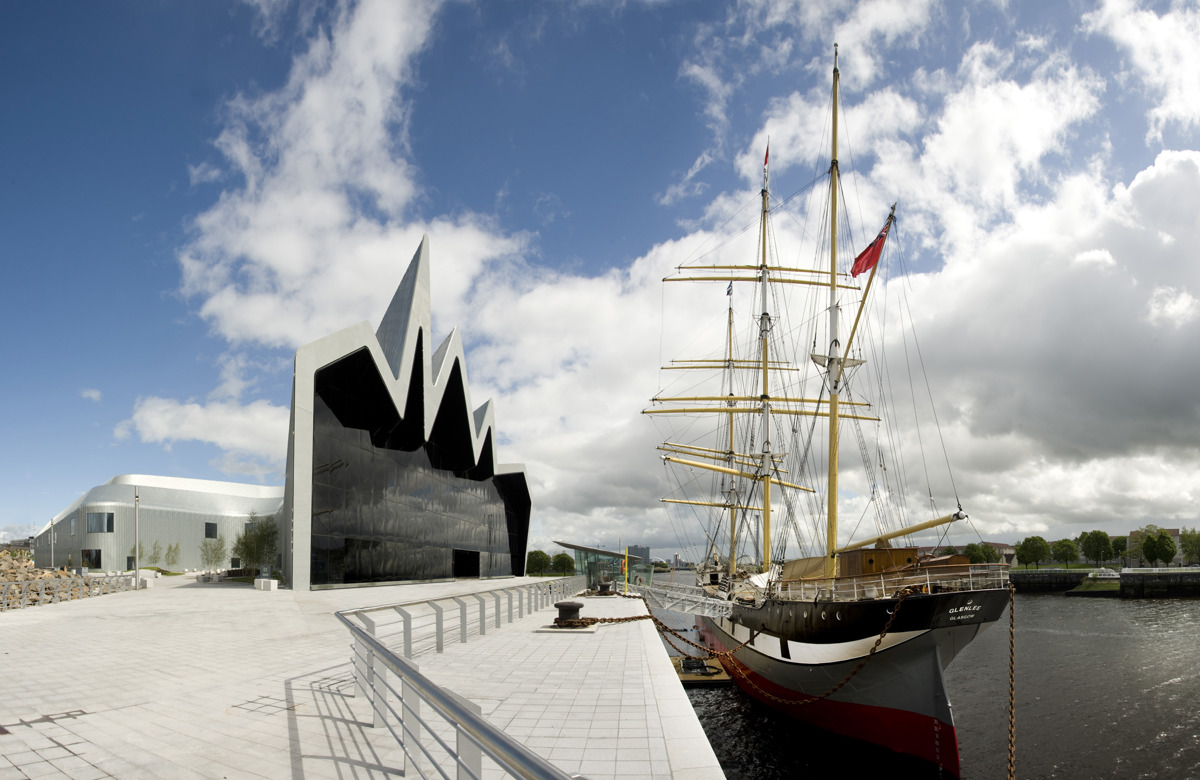
The River Kelvin Walkway starts down at the Clyde and follows the river up through Kelvingrove Park and on towards Milngavie. It’s a brilliant walk, especially in autumn. You forget you’re in a city.
Being so close to Byres Road means you’ve got Òran Mór at the top of it for events and shows, including the lunchtime theatre series A Play, A Pie and A Pint. For proper nightlife, you’re a short train ride from Sauchiehall Street or the city centre, but the pubs on Dumbarton Road will keep you busy most nights.
Schools and Families
Partick isn’t a dedicated family area, but it works for families who want a bigger flat near the West End without the Hyndland prices. Three-bed flats do come up, and the Citylets average for G11 was £1,906 a month between April and June 2026.
Which school you’re zoned for depends on your exact address, so check before you rent or buy. Thornwood Primary on Thornwood Avenue has a nursery class and belongs to the Hyndland Learning Community, and its school website names Hyndland Secondary School as the local secondary. For nursery and childcare, the Glasgow Families Information Services website has a search tool for nurseries, childminders and out-of-school care.
Is Partick Safe, or Is It Rough?
Partick is lively more than it’s rough. It’s a busy area with lots of pubs, a big transport interchange and plenty of students, so it’s never going to feel like a sleepy suburb. The main thing you’ll notice is the noise at weekend closing time, which is the same in any busy part of Glasgow.
Police Scotland publishes recorded crime for every council ward, but it says the figures are provisional and not directly comparable with official statistics, so treat any comparison as a rough guide. Most of central Partick is in the Partick East/Kelvindale ward: Partick station, the Subway on Merkland Street and Dumbarton Road from Partick Cross up to about number 430. The ward also takes in Kelvindale, Hyndland and the Botanic Gardens. Part of Partick isn’t in it. From about number 450 Dumbarton Road westwards, plus Glasgow Harbour, Crow Road and Thornwood, you’re in the Victoria Park ward.
In 2024-25, the last full year Police Scotland has published for wards, Partick East/Kelvindale recorded 1,670 crimes (not counting motoring and minor offences) for about 31,000 residents (the National Records of Scotland mid-2024 estimate). That’s roughly 54 crimes for every 1,000 people. Worked out the same way, Glasgow City comes to about 81 and Scotland about 54, so the ward is level with Scotland and well below Glasgow. It’s ninth lowest of Glasgow’s 23 wards. Victoria Park, which has the western end of Partick, came out at about 50.
| Area | Recorded crimes, 2024-25 | Per 1,000 residents |
|---|---|---|
| Partick East/Kelvindale ward | 1,670 | 54 |
| Victoria Park ward | 1,080 | 50 |
| Glasgow City | 52,406 | 81 |
| Scotland | 299,111 | 54 |
Shoplifting is the biggest single type in Partick East/Kelvindale at 434 crimes, about a quarter of the total. Common assault without injury (149), vandalism (147) and other theft (118) come next. Serious violence is a small slice, with 12 serious assaults and 5 robberies across the whole ward. Leave shoplifting out, as the deprivation index does, and the ward comes to about 40 per 1,000, below both Scotland’s 46 and Glasgow’s 69.
Two cautions. The ward is bigger and quieter than Partick, so the leafier streets pull its rate down, and the busy bit around Dumbarton Road and the stations may be higher than the ward as a whole. And crimes are counted where they happen but divided by the people who live there, which is why a place with a big transport interchange and lots of pubs can look worse than it feels. The ward figures can’t tell you what one street is like, and they don’t say what time of day crimes happen.
The older deprivation index shows a mix too, which is how a lot of Glasgow areas look. The Scottish Government’s index (SIMD 2020, and 2020v2 was still the latest edition when we checked on 25 October 2026) ranks 6,976 small areas across Scotland. The three areas with Partick in the name cover 15 of them. Six sit in the least deprived tenth in Scotland, two sit in the most deprived fifth, and the rest are somewhere in between.
On recorded crime, none of the 15 ranks in the worst tenth for Scotland, and most sit around the middle of the table. The quieter ones are mostly up the hill towards Partickhill and Hyndland. The Scottish Government points out that busy places with lots of visitors, like town centres, can look worse on these figures because crime is counted per resident. That’s worth remembering for an area with this many pubs.
The crime figures behind the index are from 2017 to 2018. The Scottish Government said in November 2024 that it expected a new edition in the latter part of 2026, and we couldn’t find it published yet, so treat it as a rough guide rather than a verdict. Day to day, the Subway station is staffed, the bus station has full CCTV coverage and there’s a 24-hour taxi rank on Merkland Street. Like anywhere in Glasgow, keep your wits about you late at night and lock your bike up properly.
Parking
Parking in Partick is a mixed bag. Parts of the area fall within Glasgow’s controlled parking zones, which means you need a resident parking permit to park on the street. Since August 2025, permit costs have been based on your car’s CO2 emissions and how many permits are already at your address. Check Glasgow City Council’s parking permit page for current rates, and its parking zones page to see if your street is covered.
There’s no car park at Partick station or the Subway station. The Morrisons car park beside the bus station is there for shoppers, so check the signs before you leave a car there all day.
If you work in the city centre, leave the car at home and take the train. There’s no point fighting for a parking space in town when you’ve got Partick station on your doorstep.
The Verdict: Is Partick a Good Area to Live In?
For most people, yes. Partick suits folk who want the West End on their doorstep without the West End rent. You get strong transport links, a good run of places to eat and drink, and a lived-in feel. Rents aren’t low, but a one-bed in G11 averaged about £90 a month less than the G12 average in April to June 2026.
It suits students, young professionals and couples, and it works for families who want a bigger flat and don’t need everything to be shiny and new. It won’t suit you if you want silence at night or a leafy, village feel.
If you want artisan sourdough and converted warehouse flats, try Finnieston. If you want somewhere quieter with more family space, Scotstoun is a bit further west. If you want a real area with a Subway station on the doorstep and a decent main street, Partick is the one.
Most figures here come from Citylets, the Scottish Government, SPT, National Rail, Glasgow Life and the venues’ own websites.
Written by Lewis McGuire.