


Best areas to live in Glasgow? It depends on your budget and what you want nearby: on a tighter budget, look at Mount Florida, Dennistoun, Govan, Maryhill and Scotstoun. Shawlands and Scotstoun suit families, Partick suits commuters, Hillhead suits students, Kelvinbridge suits a quieter life, and Finnieston and the Merchant City suit a night out. Average one-bed rents for April to June 2026 sit between £813 a month (Mount Florida’s postcode) and £1,009 (the Merchant City’s), against £912 for the whole city (Citylets).
Last checked: 24 October 2026.
| Area (postcode) | One-bed (pcm) | Two-bed (pcm) | Best known for |
|---|---|---|---|
| Mount Florida (G42) | £813 | No figure | Hampden Park and trains into Central |
| Dennistoun (G31) | £836 | £1,066 | Victorian tenements, three train stations |
| Govan (G51) | £858 | £1,002 | The Subway, Elder Park, the bridge to Partick |
| Maryhill (G20) | £884 | £1,168 | The canal and the Burgh Halls |
| Scotstoun (G14) | No figure | £1,038 | Quiet and residential, Victoria Park |
| Partick (G11) | £913 | £1,305 | Trains, the Subway and buses in one place |
| Shawlands (G41) | £928 | £1,078 | The Southside’s high street and Queen’s Park |
| Kelvinbridge (G4 and G12) | £869 (G4), £1,005 (G12) | £1,215 (G4), £1,446 (G12) | The quiet end of the West End |
| Finnieston (G3) | £965 | £1,321 | Argyle Street’s restaurants and bars |
| Hillhead / West End (G12) | £1,005 | £1,446 | Byres Road, the University, the Botanic Gardens |
| Merchant City (G1) | £1,009 | £1,297 | City centre living, bars and restaurants |
| Glasgow average | £912 | £1,211 | Citylets, whole city |
Average rent a month for April to June 2026, from Citylets, with the postcode district in brackets. It publishes by district, so each covers more than the area named, and “No figure” means it didn’t publish one. It has none for Kelvinbridge itself, so that row shows G4, which takes in the Subway station, and G12 next door. Prices move, so treat these as a steer rather than gospel.
Best Areas to Live in Glasgow by Budget
Glasgow’s a big city, and rents change a lot between areas. We’ve sorted the areas by how their rents compare with the Glasgow average for April to June 2026. Citylets put that at £912 for a one-bed and £1,211 for a two-bed (its Glasgow report). Its figures are by postcode district, so each can cover more than the area it’s listed under.
Rent is only part of it, so each area also gets a line on what it’s like and, where we found them, what the official figures say about safety. Treat those as a guide, not a verdict. Our guide to renting in Glasgow covers deposits and your rights as a tenant.
Police Scotland calls its ward figures provisional, and the crime part of the Scottish Government’s deprivation index uses police data for 2017 to 2018. The two sets count different crimes in different years, so compare each area with the Glasgow and Scotland figures beside it, not with another area’s. Neither can tell you what one street is like.
Budget: Cheaper Than the City Average
These five come in under the Glasgow average. A one-bed averages £813 to £884 in the four with a figure, against £912 for the city, and a two-bed in Scotstoun averages £1,038 against £1,211. Your money goes further here than in Partick or Hillhead.
Mount Florida
Mount Florida is a Southside area of mostly tenements, with Hampden Park in the middle of it. It’s east of Shawlands, on the far side of Queen’s Park. It has its own station on the Cathcart Circle, and Citylets’ area page puts the train to Glasgow Central at around ten minutes. Match days bring the crowds, and Citylets says local buses and trains are likely to be extremely busy then.
Average one-bed (G42): £813. That’s the lowest one-bed average in Citylets’ Glasgow postcode table. But G42 also covers Govanhill and Battlefield, so it isn’t a Mount Florida figure on its own, and Citylets has no two-bed average for it.
Read our full Mount Florida area guide
Dennistoun
Dennistoun is a grid of Victorian tenements just east of the city centre. It has three train stations of its own, Alexandra Park at the top, and cafes, delis and pubs along Duke Street. Average rent (G31): £836 for a one-bed and £1,066 for a two-bed. That’s about £75 and £145 a month under the city average, and a one-bed took 20 days to let against 26 across Glasgow.
It still carries a bit of the East End’s old rough name. Police Scotland’s figures for the Dennistoun ward put recorded crime at roughly 65 per 1,000 people in 2024-25, against about 55 for Scotland and about 83 for Glasgow (Scottish Government). The ward is bigger than the Dennistoun most folk picture, so it’s a rough guide. On the plus side, Understanding Glasgow’s Dennistoun profile has fewer people in income or employment deprivation than the Glasgow average.
Read our full Dennistoun area guide
Govan
Govan is on the south bank of the Clyde, with its own Subway station and the 37-acre Elder Park. The Govan Partick Bridge opened in September 2024, and if you cross it, the Riverside Museum is about a five minute walk from the Subway station. Average rent (G51): £858 for a one-bed and £1,002 for a two-bed. That’s about £54 and £209 a month under the city average, and the cheapest two-bed on this page.
Govan has had a rough name for years, and the official figures don’t dodge it. In the Scottish Government’s deprivation index, all seven small areas in the Govan and Linthouse zone are in the most deprived fifth of Scotland. Four are in the worst tenth for recorded crime.
A lot of Glasgow looks like this on paper: 339 of the city’s 746 small areas are in the most deprived fifth of Scotland. The index is mostly about income, jobs, health and education, so it’s a measure of money and opportunity, not a verdict on the folk who live here. The crime data covers 2017 to 2018, and since then the bridge has opened and Elder Park Library has been restored.
Read our full Govan area guide
Maryhill
Maryhill is a long area north west of the city centre. The Forth and Clyde Canal runs through it, the Burgh Halls are restored, and the south end of Maryhill Road is right beside the West End. Average rent (G20): £884 for a one-bed and £1,168 for a two-bed. That’s only £28 and £43 a month under the city average, but £121 and £278 under G12, the Hillhead postcode.
Maryhill has a rough name, but the police figures are more middling. The Maryhill ward recorded about 65 crimes per 1,000 people in 2024-25, above Scotland’s about 55 and below Glasgow’s about 83. That puts it in the middle of Glasgow’s 23 wards. New homes are coming too, with 401 approved at Wyndford in October 2026.
Read our full Maryhill area guide
Scotstoun
West of Partick, Scotstoun is a wee bit quieter and mostly residential. It’s the sort of area folk from the West End look at when they want more space. Victoria Park is 50 acres and the sports campus is on Danes Drive. The main train station, Scotstounhill, is about 14 minutes from Glasgow Central (Low Level).
Average two-bed (G14): £1,038. Citylets has no G14 one-bed figure, but that two-bed is £173 a month under the city average, second only to Govan’s on this page. The food scene is thin, so Partick is the next stop for restaurants. Like most of Glasgow it varies by street, so walk it by day and after dark.
Read our full Scotstoun area guide
Mid-Range: Around the City Average
Partick and Shawlands sit almost exactly on the Glasgow average for a one-bed, at £913 and £928 against £912. Citylets has no figure for Kelvinbridge itself, but G4 and G12, the districts around it, land either side of the average. You get a proper area with decent transport and enough going on to keep you busy.
Partick
Partick is the sweet spot for transport. Partick Interchange puts the train station, the Subway and a six-stance bus station in one place, and Dumbarton Road is lined with pubs and restaurants. Average rent (G11): £913 for a one-bed and £1,305 for a two-bed. A one-bed is about £90 a month under G12, the Hillhead postcode.
Partick is lively more than rough. The latest small-area crime figures are for 2017 to 2018. They don’t put any of its 15 small areas in the worst tenth for Scotland, and most sit around the middle. It’s usually counted as the cheaper end of the West End, though nobody’s drawn an official line.
Read our full Partick area guide
Shawlands
Shawlands is the Southside’s high street, built around Shawlands Cross with Queen’s Park next door and plenty of places to eat. Its station is on the Cathcart Circle, and Glasgow Life says it’s about 10 minutes by train from Glasgow Central. Average rent (G41): £928 for a one-bed and £1,078 for a two-bed. A one-bed is a touch over the city average and a two-bed about £133 under it, though G41 covers more than Shawlands.
The official figures are kind on deprivation. None of Shawlands’ eight small areas is in the most deprived fifth of Scotland. They’re mixed on recorded crime, where the busy town centre comes out worst, as town centres often do.
Read our full Shawlands area guide
Kelvinbridge
Kelvinbridge is the quiet end of the West End, around the bridge that carries Great Western Road over the River Kelvin. It has its own Subway station, three stops from Buchanan Street, with the Kelvin Walkway and Kelvingrove Park close by. Citylets has no figure for Kelvinbridge on its own. G4, which takes in the Subway station, averages £869 for a one-bed and £1,215 for a two-bed, and G12 next door averages £1,005 and £1,446.
Kelvinbridge has a calm, well-kept reputation, and the official figures are kind to it by Glasgow standards. The small area holding the Subway station is better off than about four in five of Glasgow’s 746 small areas. About two in three of them record more crime per head than it does. It’s one small patch, though, and the crime data covers 2017 to 2018, so it varies by street.
Read our full Kelvinbridge area guide
Higher Rents: Above the City Average
These three cost the most of the areas here. A one-bed averages £965 to £1,009, about £50 to £100 a month over the city average, and a two-bed £1,297 to £1,446. You’re paying for the location, and for most folk here that means the bars, the campus or the city centre on the doorstep.
Finnieston
Finnieston is Argyle Street’s run of restaurants and bars, with the SEC and the OVO Hydro down by the river and trains and the Subway close by. Average rent (G3): £965 for a one-bed and £1,321 for a two-bed. G3 also covers Kelvingrove and Anderston. On 23 October 2026 most one-beds advertised on Rightmove and Zoopla in and around Finnieston were £895 to £1,100, and the newer riverside blocks asked about £1,470 to £1,520.
Finnieston isn’t known as a rough area. What you’ll notice is the noise, because Argyle Street is busy and loud at weekends and on gig nights.
The official figures are a mix. Four of its seven small areas are in the least deprived fifth of Scotland and one is in the most deprived fifth. Three are in the highest fifth for recorded crime per resident. The Scottish Government’s own notes say busy places with events can look worse on paper, because crimes are counted against the people who live there, not the crowds.
Read our full Finnieston area guide
Hillhead and the West End
Hillhead is the part of the West End around Byres Road, Ashton Lane and the University of Glasgow, with its own Subway station and the Botanic Gardens at the top of Byres Road. Average rent (G12): £1,005 for a one-bed and £1,446 for a two-bed. That’s the dearest two-bed in Citylets’ Glasgow postcode table, and G12 also covers Hyndland and Kelvinside. Asking rents on Citylets’ own Hillhead listings averaged £1,053 for a one-bed and £1,392 for a two-bed on 24 October.
Hillhead has a good name. Ashton Lane is busy and loud at weekends, so if you’re looking at a flat on it, see it on a Friday night first.
The official figures back the name up. The latest small-area figures are for 2017 to 2018, and they put the three statistical areas around Byres Road, Ashton Lane and the University at about 299 recorded crimes per 10,000 residents. That’s below Glasgow’s 439 and close to Scotland’s 287.
Read our full Hillhead and West End area guide

Merchant City
The Merchant City is city centre living. Visit Glasgow calls it one of Glasgow’s oldest and most stylish districts, with restaurants on Miller Street, fashion shops on Ingram Street and a hub for artists and makers at Trongate 103. Citylets says the flats are a mix of converted warehouses, historic buildings and new apartments, and both Queen Street and Central stations are a short walk away. Average rent (G1): £1,009 for a one-bed and £1,297 for a two-bed.
Glasgow Green, the city’s oldest park, is close by, and the free Gallery of Modern Art is a short walk west in Royal Exchange Square. With bars and restaurants all round, go and see a flat on a Friday or Saturday night before you sign. Official crime figures aren’t a fair guide for a city centre. The Scottish Government’s own notes say town centres can look worse on paper, because crimes are counted against the folk who live there, not the crowds who visit.
Read our full Merchant City area guide
Best Areas of Glasgow by Lifestyle
Best for Families
Scotstoun and Shawlands. Education Scotland rated Scotstoun Primary “very good” in all four areas it inspected in 2025. Victoria Park is 50 acres, and a G14 two-bed averages £1,038 a month. Shawlands has Queen’s Park on the doorstep and G41 two-beds at £1,078, and its secondary, Shawlands Academy, was rated “good” in two areas in 2023.
Partick works too if you want a bigger flat near the West End for less. A three-bed averages £1,906 in G11 against £2,125 in G12. Catchments go by address, so check yours before you sign. Our school catchment guide explains how it works.
Just outside the city, Bearsden and Bishopbriggs are in East Dunbartonshire, with their own schools and council tax, and police figures put recorded crime in their wards well below Glasgow’s. Inside the city, Robroyston is mostly newer family houses, with its own station.
Best for Students
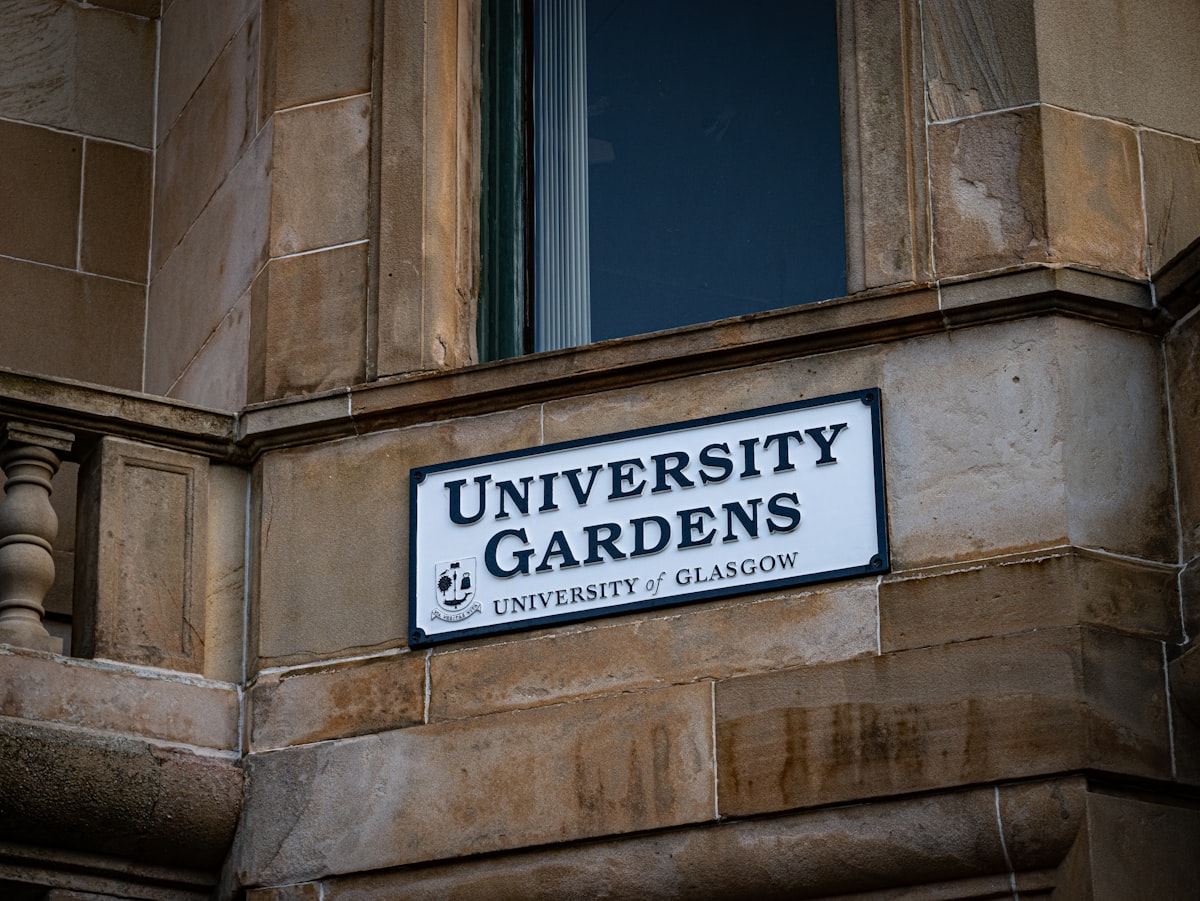
Hillhead is the obvious one. The University of Glasgow says its main campus is a 5 minute walk from Hillhead Subway station. In the Hillhead and Woodlands profile on Understanding Glasgow, 30% of residents are aged 18 to 24, higher than the Glasgow average. G12 is the dearest postcode in the table for a two-bed, though.
Partick is cheaper, with a G11 one-bed about £90 a month under G12’s. The University puts Partick station about 15 minutes’ walk from its main campus. Dennistoun is cheaper again, at £836 for a G31 one-bed. It’s the closer one if you’re at Strathclyde, as Bellgrove station is about a 20 minute walk from the campus (our estimate).
Best for Young Professionals
Partick if you want the trains and the Subway in one place (G11 one-beds average £913). Finnieston if you want Argyle Street on the doorstep (G3, £965). Shawlands if you prefer the Southside (G41, £928). All three have plenty of places to eat and drink and decent links into town, and Kelvinbridge is the quieter West End option, with its own Subway station.
Best for Nightlife
Finnieston and the Merchant City. Argyle Street is packed with restaurants, bars and pubs, and the OVO Hydro and SWG3 bring gigs and club nights. The Merchant City puts you among the city centre’s restaurants and bars. Hillhead’s Ashton Lane has pubs, bars, restaurants and a cinema, and Partick’s Bag O’Nails says it’s open until 1am every night.
If you want to walk home after a night out, live close. SPT says the Subway shuts at 11.40pm Monday to Saturday and at 6.12pm on Sundays. Our Subway guide has the rest.
Best for Commuters
Partick wins this one. Partick Interchange has the train station (Argyle Line and North Clyde Line), the Subway and a six-stance bus station in one place. Dennistoun has three train stations on the North Clyde Line into Queen Street. Shawlands and Mount Florida are both on the Cathcart Circle, about 10 minutes from Glasgow Central, and Scotstounhill is about 14 minutes from Central (Low Level). North of the city, trains take 6 to 8 minutes from Bishopbriggs to Queen Street and 11 to 15 minutes from Robroyston (National Rail’s planner, October 2026).
If you work in Edinburgh, the train takes around an hour each way, so work out the season ticket first. Our Glasgow to Edinburgh guide compares train, bus and car. Our Glasgow trains guide covers fares and zonecards.
Best for Up and Coming Areas
Govan, Maryhill and Dennistoun are where things are changing, going by what’s been built, what’s been approved and who’s moving in. Govan has the Govan Partick Bridge (opened September 2024) and mid-market rent homes at Water Row. Maryhill has the Stockingfield Bridge (opened 2022) and 401 new homes approved at Wyndford in October 2026. Understanding Glasgow says Dennistoun’s population grew between 2001 and 2024, most notably among 16 to 44 year olds.
Final Thoughts
Glasgow is cheaper than Edinburgh. Citylets had the average Glasgow one-bed at £912 in April to June 2026, up 3.6% on a year earlier, against £1,095 in Edinburgh. Even the dearest Glasgow postcode for a one-bed in its table, G1 at £1,009, comes in under the Edinburgh average.
Don’t just look at rent. Factor in council tax, which for 2026/27 is £1,137 a year for Band A and £1,706 for Band D, plus transport and how far you’ll be from work. A cheaper flat in a poorly connected area can end up costing you more overall. Our cost of living in Glasgow guide has the full monthly picture.
If you’re buying, the UK House Price Index put the average Glasgow home at £194,382 in August 2026, up 1.8% on a year earlier. Prices vary a lot between areas and streets, so check what similar homes have sold for on ScotLIS before you make an offer.
Walk around the areas you’re considering. Check them at night, not just during the day. Talk to folk who live there. Citylets says nearly two in three Glasgow one-beds were let within a month in April to June 2026, so be ready to move when you find the right one.
Glasgow’s a city of areas, and each one has its own character. Find the one that fits you, and if you’re coming from elsewhere, our moving to Glasgow guide covers the rest.
Rents are Citylets averages for April to June 2026. Crime and deprivation figures come from Police Scotland, the Scottish Government and its SIMD 2020 index, which was still the latest edition when we checked. Most of our area guides list their own sources.